


Green Worldwide Shipping is the presenting sponsor of Global Atlanta's Trade Channel. Sign up here for monthly global trade updates.
With their graduation last week from a city-backed internationalization program, women-owned small businesses in Atlanta got equipped with practical knowledge needed to boost their sales globally.
But the Women’s Export University also imparted other benefits: a shared vision for empowering one another and a relational anchor in a topsy-turvy year.
Meet the participants in the video graduation ceremony below:
Run by the City of Atlanta Mayor’s Office of International Affairs, with backing from United Parcel Service Inc., the four-month curriculum included lessons on translating and internationalizing a website and workshops on navigating customs regulations, warehousing and e-commerce. Operated without a cost to participants, the program also included one-on-one mentoring sessions.

The initial cohort saw 25 companies with at least 30 percent female ownership or control graduate May 19 in a ceremony that included congratulatory remarks from Mayor Keisha Lance Bottoms and Metro Atlanta Chamber President Katie Kirkpatrick, among female business and economic development leaders.
The university was an eye-opener even for those who have done business internationally before, helping formalize what had been an ad hoc approach to overseas business development.
Olivia Rios speaks Spanish and English fluently, as well as some Portuguese and French, and she already had customers from Europe and Asia for Cold Mountain Consulting, which helps law firms manage their marketing tech stacks. But the program helped her realize she needed to better package her offering, which she found that governments can also use.
“Initially, I thought this doesn’t really necessarily make sense for me. Because I was thinking, well, I don’t have a product to export,” she said of the program. Like many service providers, she didn’t think of herself as an exporter. “But I realize we are the product. We have a specialty, we have a niche market.”
Some of the content on packaging and shipping may not have applied, but Ms. Rios saw a huge benefit from the website globalization piece, which helped the entrepreneurs think about the global customer journey on their sites — everything from language accessibility to search engine optimization.
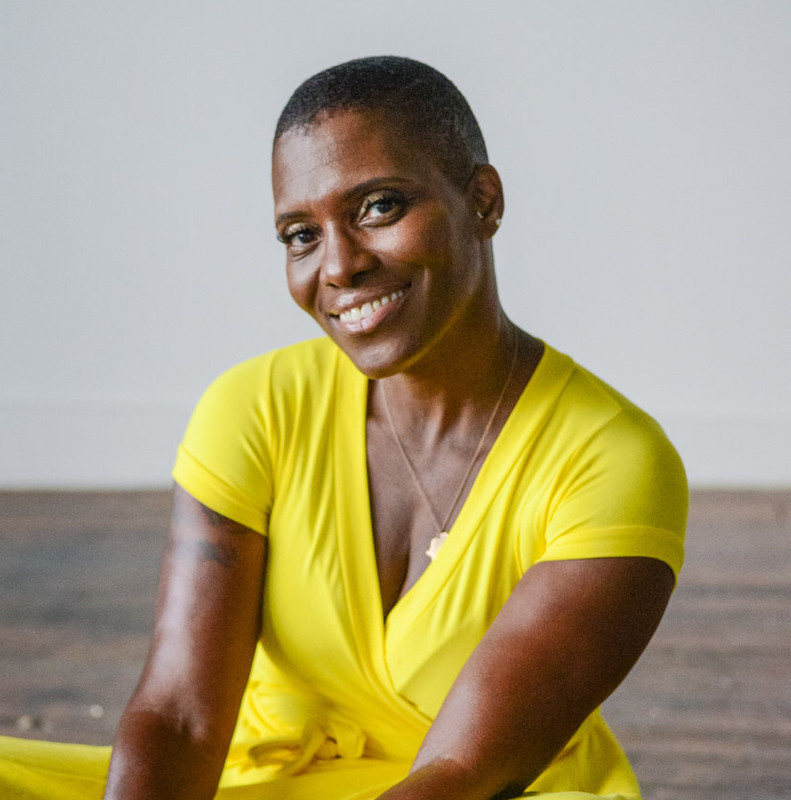
For Yolanda Owens, founder and CEO of Iwi Fresh, the international market has always been a far-off ambition. Already selling her “farm-to-skin” skincare products made from vegetables and other plant matter in stores like Whole Foods, she has long thought Africa or the Caribbean might be good global first step. But making a plan always took a backseat to other priorities, like launching a men’s line of beard oil and expanding spa services.
“Every time we would touch it, it seemed like so much paperwork and so much red tape. And it just was so overwhelming just thinking about it,” Ms. Owens said.
The export university program broke it down into pieces, with accountability and camaraderie to reinforce the lessons, which included video sessions with local exporters like water filtration systems provider AdEdge Technologies and Loupe, a visual arts streaming platform.
“We can digest it so much better in little chunks,” said Ms. Owens, who said she most appreciated the segments on tariffs and finance, including an introduction to the Export-Import Bank of the United States, which provides export credit guarantees and more.
What all participants seemed to appreciate was the constant encouraging presence of other female entrepreneurs facing similar challenges even across the varied products and services represented in the group.
Kayla Bellman, founder of Finca to Filter — an Atlanta-based collaborative of coffee roasters committed to empowering growers through transparent pricing and other initiatives — said the program broke down common barriers.
“Women on average don’t have mentors in the way that men do. And thus, that knowledge is passed down through all through these different kind of male-dominated networks, but women are often left out of that,” said Ms. Bellman, who added that it having a female-focused curriculum created a safe space that helped them learn to be more assertive.
“It’s kind of a part of retraining ourselves to know that we can take up that space and know that it’s normal to ask these people who have full calendars for their time when they say that they will make time for you,” Ms. Bellman added.
Vanessa Ibarra, director of the city’s international affairs office, said the program was part of a larger goal of fostering inclusion in the economy through international trade, which tends to create more resilient companies. Some 95 percent fo the world’s consumers live outside the U.S., and exporting firms pay 20 percent more, grow 20 percent faster and are 9 percent less likely to go out of business.
Women-owned businesses, while a small minority, are growing quickly and require equitable access to trade resources to overcome what they describe as their biggest hurdle to international trade — lack of community support.
“It is quite daunting, there is what we call the alphabet soup (of trade agencies and resources), but we want you all to know that we are here to support you, help you in your decisions and help you every step of the way,” Ms. Ibarra said.
Deputy Director Cesar Vence, who managed the day to day aspects of the program, said the global segment is often overlooked in the quest to increase female participation in the economy. He said he will miss the Thursday sessions with the participants.
“We all know that entrepreneurship isn’t easy and it is not for everyone, but I can tell you that this group of women — and I’ve gotten to know them for the last four months — are fearless, they’re go-getters, they’re innovative, they’re resilient, globally minded and most importantly, they’re powerful,” Mr. Vence said.
Ms. Owens said sharing this power through mentorship should be an enduring part of the curriculum, perhaps bringing the initial cohort back to impart their experience and insights during and after the program.
This could help overcome the “imposter syndrome” that seems to plague successful women more than men, Ms. Rios said.
“We are all out here a little bit on our own navigating these waters, and it can be difficult and for sure lonely trying to navigate through some of this stuff,” Ms. Rios said. “But so I think that’s why we have connected the way we have. We’re all like minded and I think we’re all very driven. We all seem to have a purpose that we think we support each other very well through this.”
As productive as the virtual program has been, all agreed that in-person sessions after the pandemic will be even more powerful in knitting the community together.
“It’s a genuine and just fitting type of love that we have for each other,” Ms. Owens said.
The Office of International Affairs is also a sponsor of the Atlanta Metro Export Challenge, an export enablement program in its sixth year which provides reimbursable $5,000 grants to companies for expenses aimed at boosting their export sales.
Women Export University participants are encouraged to apply for the Metro Export Challenge, along with other companies in the 29-county region. Learn more here.